Asphalt Repair in Salt Lake City, UT
Most parking lot and driveway damage in the Salt Lake Valley starts with water getting into a crack, not traffic or age. We repair potholes, crumbling edges, and surface failures across 8 suburbs before they become a liability or a full replacement.
Signs Your Lot or Driveway Needs Repair
- Potholes have formed. A pothole starts as a crack, lets in water, freezes and heaves, then collapses under vehicle weight. Each winter it gets larger without repair.
- Alligator cracking covers a section. The interconnected crack pattern that looks like reptile scales signals the sub-base has failed, not just the surface.
- Edges are crumbling or spalling. Edge deterioration typically means water is undermining the base from the side, especially where drainage slopes toward the pavement.
- You can see depressions where water pools after rain. Low spots indicate base settlement and are the most common source of recurring pothole damage.
- The pavement flexes or feels soft underfoot. A surface that bounces has lost its support base and will collapse under vehicle weight if not addressed.
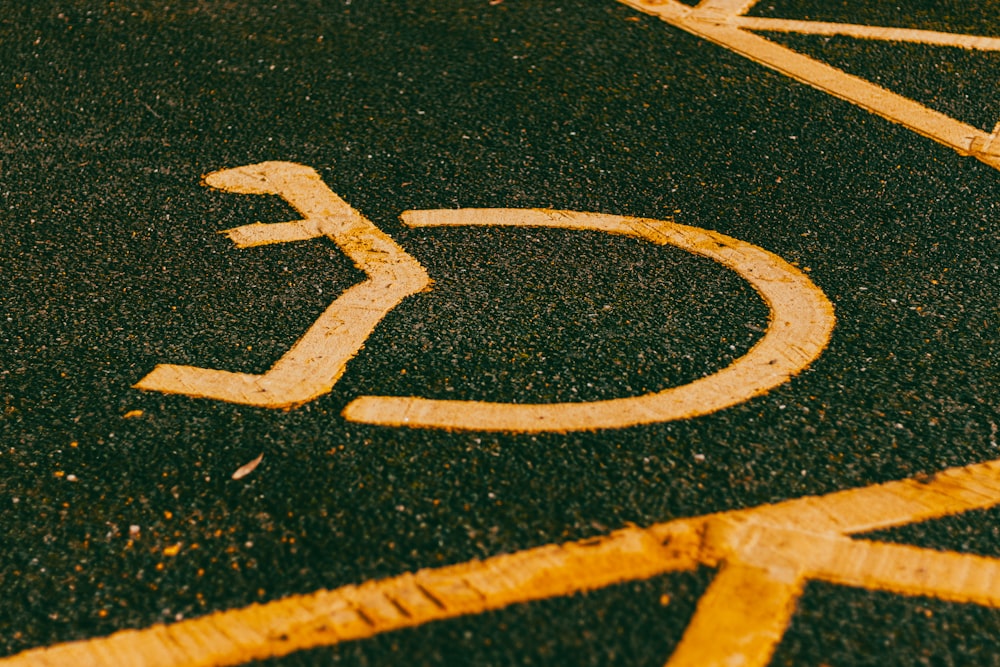
- A pothole or damaged section is at an accessible parking stall, pedestrian route, or building entry. ADA trip-hazard exposure makes these the highest-priority repairs on any commercial lot.
How Asphalt Repair Works
-
Damage Assessment
Walk the surface to identify damage type, depth, and root cause. A pothole caused by a drainage problem will come back if we patch the surface without addressing the water. We tell you what is causing the damage, not just what it looks like.
-
Drainage Check
Where water pools or drains toward the damaged area, we assess whether regrading or a catch basin adjustment is needed before repair. Patching over a drainage problem extends the problem, not the pavement.
-
Method Selection
Repair method depends on damage type. Surface patches work for isolated potholes with a sound base. Infrared repair is used for larger surface-only failures where the base is intact. Remove-and-replace is used where the base has failed and needs rebuilding from the ground up.
-
Repair Execution
The damaged area is cut to clean edges, the failed material is removed, and the repair is compacted in lifts to match the surrounding surface elevation. Proper compaction is what separates a repair that holds from one that sinks back within a season.
-
Optional Sealcoat
If the repaired area is part of a larger sealcoating project, we coordinate repair first and sealcoat after a 30-day cure on new patch material. Sealing before the patch fully cures traps moisture and shortens the repair life.
What Asphalt Repair Costs in Salt Lake City
Repair cost depends on damage type more than size. A small pothole with a sound base costs far less than a larger section where the sub-base has failed and needs to be rebuilt. Infrared repair runs lower than full remove-and-replace for surface-only failures. The honest answer on cost is that we cannot give you a reliable number without seeing the damage, because two potholes that look identical on the surface can require completely different fixes underneath. We give written quotes after the on-site assessment.
Factors that affect price
- Damage type and depth (surface patch vs. infrared vs. full remove-and-replace)
- Whether sub-base repair is needed before the surface can be repaired
- Number and distribution of damaged areas across the lot
- Drainage work if water pooling is contributing to the damage
- Sealcoating coordination: combining repair and sealcoat in one project saves mobilization cost
When to Schedule Asphalt Repair
Asphalt repair requires surface and air temperatures above 50 degrees Fahrenheit for proper compaction. The working window on the Wasatch Front runs from mid-April through October. The most important timing call is September: get repairs done before the ground freezes and water in existing damage has no way to escape. A pothole that freezes with standing water at the base heaves and expands through winter, making the repair larger and more expensive by spring. For commercial lots with ADA liability exposure, we prioritize scheduling and can often move to a same-week site visit.
- Mid-April through October working window (above 50 degrees Fahrenheit for compaction)
- September repairs prevent winter heave from expanding existing damage
- ADA-adjacent repairs (accessible stalls, pedestrian routes) prioritized for same-week scheduling
Asphalt Repair: Frequently Asked Questions
- Can you repair asphalt in the winter?
- Cold-patch material can be placed in winter for temporary repairs, but permanent hot-mix repair requires surface temperatures above 50 degrees Fahrenheit for the material to compact correctly. Cold-patch is a stop-gap to keep a pothole from getting worse or creating a trip hazard. It is not a long-term fix. Permanent repairs on the Wasatch Front happen mid-April through October.
- Will a patched pothole come back?
- If the underlying cause is fixed, a proper repair should last several years. If water is still routing toward the repaired area, or if the sub-base was not rebuilt under the patch, the damage will return. This is why we assess drainage before we repair, rather than patching over a problem that will just reappear the following spring.
- How do I know if I need repair or full replacement?
- A rough guide: if more than 25 to 30 percent of the lot surface shows alligator cracking, heaving, or base failure, replacement is usually more cost-effective than patching. Isolated damage on an otherwise sound lot is a repair call. We will tell you honestly at the site walk which category your lot is in, because replacing a lot that only needed repair is an expensive mistake in either direction.
- What causes alligator cracking and can it be repaired?
- Alligator cracking means the sub-base under that section has failed. The surface is flexing because it no longer has solid support. Hot-pour crack filling does not fix it. The failed section needs to be cut out, the base rebuilt, and new asphalt laid in its place. If the root cause is drainage, that needs to be addressed at the same time or the new section will develop the same problem.
Related Services
Crack Filling
A crack that goes into a Utah winter unsealed always comes out wider. Hot-pour crack sealing for parking lots and driveways across 8 Salt Lake Valley suburbs.
Learn moreParking Lot Sealcoating
We seal commercial parking lots across the Salt Lake Valley to slow freeze-thaw damage, stop road salt from eating the surface, and add years to your pavement's life.
Learn moreDriveway Sealcoating
We seal residential driveways and HOA common areas across 8 Salt Lake Valley suburbs before freeze-thaw cycles and road salt turn surface wear into structural damage.
Learn moreParking Lot Striping
Clear stall lines, ADA-compliant layouts, and curb markings for commercial lots across the Salt Lake Valley. We keep property managers and HOAs marked, compliant, and scheduled around your operations.
Learn more
Schedule Your Asphalt Repair Assessment
Free on-site assessment, written scope with method and cost by damage area, same-day response. We cover 8 Salt Lake Valley suburbs.